
Impact of Alcohol on Glycemic Control and Insulin Action
Heavy alcohol consumption increases ROS production and may be a mechanism of pancreatic β-cells dysfunction in T2DM. The reason is that ROS production is one of the earliest events in glucose intolerance, through mitochondrial dysfunction. Previous studies https://ecosoberhouse.com/ of alcohol dependence have shown that alcohol elevated the level of β-cell apoptosis and increased insulin resistance in the liver and skeletal muscle, which is among the earliest detectable alterations in humans with T2DM 20. These studies demonstrated the diabetes-related lipid abnormalities, by insulin sensitivity, mediated oxidative stress and the altered metabolism has been shown to have a deleterious effects after heavy drinking, an effect mediated by insulin. In T2DM, insulin sensitivity is reduced, while insulin secretion may be increased, resulting in hyperinsulinemia, especially in the early phase of the disease, or decreased, in comparison to the healthy subjects, with normal glucose tolerance 24. The priming effect of alcohol-enhanced insulin secretion in pancreatic β-cells might be caused by an early defence mechanism, which is used to compensate for alcohol-inhibited basal insulin secretion.
Supporting your Emotional, Mental, Psychological, and Physical Body Through Nutraceuticals
- High concentrations of ethanol may lead to reduced insulin binding 13 and inhibition of intracellular signalling related to that of insulin 14.
- While straight spirits may not raise blood sugar directly, they carry risks for hypoglycemia due to impaired liver function during metabolism.
- Food, on the other hand, is digested gradually, so it provides better protection against lows.
- For those on chronic medications like isoniazid, limit alcohol to one drink per day for women and two for men, though abstinence is safest.
- Thus, hyperinsulinemia refers to higher than normal insulin levels in the blood, whereas hypoglycemia refers to lower than normal glucose levels in the blood.
Each participant made three visits on separated days within 3 months of providing their informed consent. A 75‐g oral glucose tolerance test (OGTT) was carried out at visit 1, then a combined 75‐g glucose and 20‐g alcohol tolerance test (OGATT) was carried out at visit 2. Finally, a what happens if a diabetic drinks too much alcohol 20‐g alcohol tolerance test (OATT) was carried out to determine the effects of alcohol alone on blood glucose concentration at visit 3 (Figure 1). A total of 20 g of alcohol was loaded, because this amount is the daily intake limit recommended by the Ministry of Health, Labor and Welfare, Japan. Participants were prohibited from drinking alcohol the day before each visit, and visited early in the morning after an overnight fast. Shochu (a Japanese distilled alcoholic beverage) was used in the alcohol‐loading test.
Supplementary Information
Detailed analyses demonstrated that although the glucagon and epinephrine responses to hypoglycemia were unaffected, the growth hormone and cortisol responses were reduced after alcohol consumption. Glycogenolysis is also impaired by alcohol.7 In a patient with normal glycogen stores, hepatic glucose output has been shown to reduce by 12% after ingestion of a moderate amount of alcohol.7 This rarely causes hypoglycemia. From a practical standpoint, certain medications require strict alcohol avoidance due to their interaction effects. For example, antibiotics like metronidazole (Flagyl) or antifungal agents like griseofulvin can cause severe nausea, vomiting, and rapid heartbeat when paired with alcohol. Similarly, diabetes medications like metformin or insulin can lead to hypoglycemia (dangerously low blood sugar) when alcohol is consumed, especially in older adults or those with pre-existing liver conditions. A simple rule of thumb is to read medication labels carefully and err on the side of caution, as even a single drink can trigger adverse reactions.

Lifestyle Changes and Tolerance Shift
Vomiting can lead to dehydration and a reduced blood volume, which, in turn, increases the levels of certain stress hormones in the blood called catecholamines. Catecholamines further decrease insulin production and increase glucagon production. Accordingly, physicians who treat diabetics known to consume large amounts of alcohol must be aware of the risk of alcoholic ketoacidosis in those patients. The euglycemic hyperinsulinemic clamp marijuana addiction can differentiate insulin action at the level of the liver and peripheral tissues (especially muscle) when combined with the infusion of radiolabeled or stable isotope-labeled glucose. In contrast to the ability of insulin to increase glucose uptake in striated muscle and fat (see following sections), insulin normally inhibits hepatic glucose production (HGP).
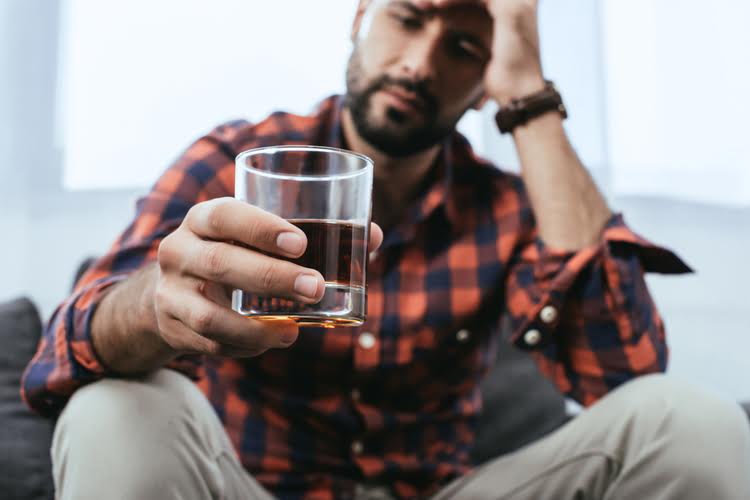
Can Ozempic (semaglutide) alter alcohol metabolism in patients with type 2 diabetes?
Second, we included articles that ascertained their cases via self-report. Nevertheless, we observed only a minimal variation when we selected studies that used only objective measurement to identify T2DM cases. Third, alcohol consumption was measured based on self-report, which may be subjective and may underestimate the true alcohol use, potentially leading to biases (36). However, self-reported measures have been shown to be valid overall (37). Fourth, almost all of our sampled studies did not account for temporal variations in alcohol use. Relying on a single assessment may introduce exposure misclassification and may not fully capture the dynamic nature of alcohol consumption and its impact on T2DM.

Figure 1.
- Excessive sugar intake from cake can lead to insulin resistance, a precursor to type 2 diabetes.
- This practice helps individuals understand how alcohol affects their blood sugar levels and enables them to make informed decisions about insulin doses, medication adjustments, and dietary choices.
- In some cases, a strong sensory experience, such as the intense aroma or taste of durian, can trigger a vasovagal response.
- Drinking a lot on a single occasion slows the body’s ability to ward off infections–even up to 24 hours later.
- Alcohol tolerance, which refers to the body’s reduced response to alcohol after repeated consumption, can decrease over time due to various factors such as prolonged abstinence, aging, or changes in lifestyle and health.
Still, binge drinking can overwhelm this system causing transient hyperglycemia (high blood sugar) followed by hypoglycemia later as liver stores deplete. (A) Numbers of metabolites with positive, inverse, or null associations with T2D risk by biochemical category. We compared the association coefficients of each metabolite with T2D risk in the non-Hispanic White group to those from all individuals of other races and ethnics (B), Hispanic/Latino participants (C), and African American participants (D).
Diabetes and the Risks of Drinking Alcohol
- Alcohol tolerance can plummet unexpectedly when medications interfere with its metabolism.
- A and C compare the association coefficients (that is, natural log-transformed relative risk ratio RR of T2D risk per standard deviation increase in metabolite levels) between the two platforms from Model 1 and Model 2, respectively.
The evidence was rated based on the Grading of Recommendations Assessment, Development, and Evaluation approach. The Simms/Mann Center provides nutrition consultation, as well as psychosocial and spiritual support, educational programs and support groups for people undergoing cancer treatment at UCLA Health. The whole-person care is free to people with cancer and their loved ones, from the time of diagnosis through survivorship. We thank our many collaborators over the years that have provided thoughtful discussion, valuable reagents and their time and effort to aide in our research efforts.
Risk of HypoglycemiaConversely, alcohol consumption can also lead to hypoglycemia (low blood sugar) in individuals with diabetes, particularly if insulin or medications that lower blood sugar are taken. Alcohol can inhibit the liver’s ability to release glucose into the bloodstream, exacerbating the effects of insulin or diabetic medications. This risk is heightened when alcohol is consumed without adequate food intake, which normally helps stabilize blood sugar levels. Basal in vivo-determined glucose disposal by skeletal muscle, both fast- and slow-twitch fiber types, also did not differ between control and chronic alcohol-fed rats 14. Similarly, in vitro-determined basal glucose uptake did not differ in incubated epitrochlearis muscle isolated from pair-fed and alcohol-fed rats 57. The differences in muscle glucose uptake between acute and chronic alcohol exposure has been posited to be due to the relatively lower peak BAL achieved in chronic alcohol-fed rats.